
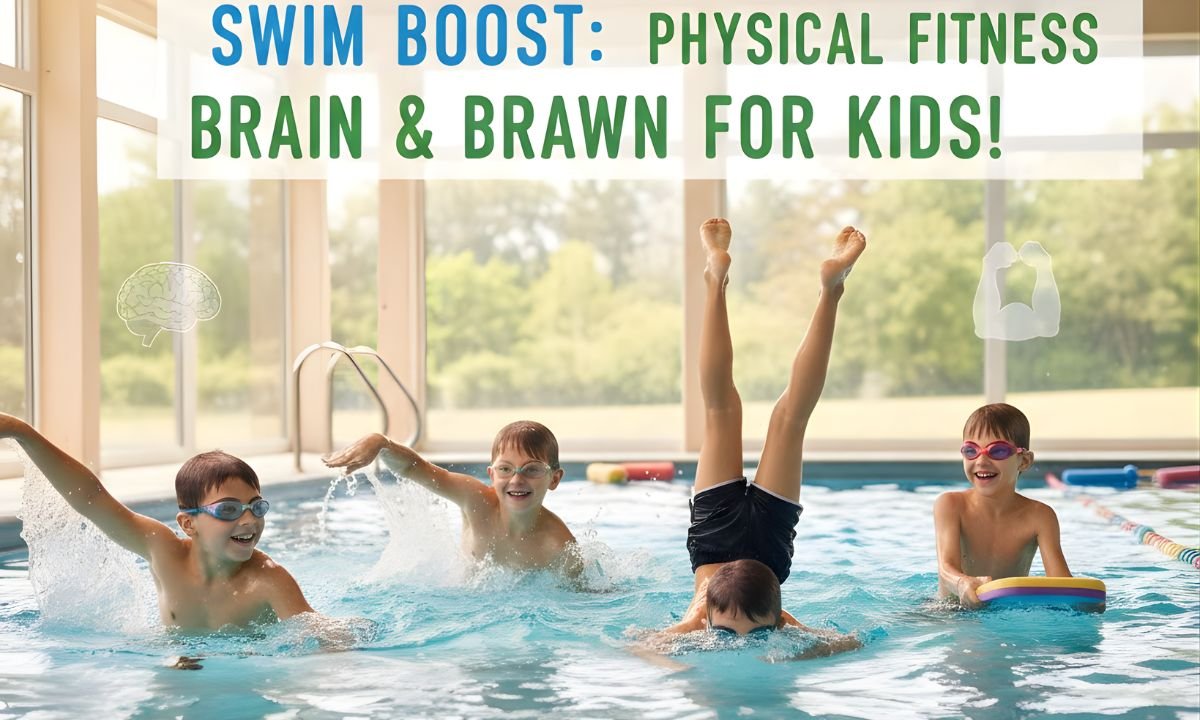

Swimming is one of the best all‑round activities to sharpen children’s brain power while building strong, flexible and healthy bodies. With the right safety measures and age‑appropriate lessons, it supports learning, confidence, and long‑term fitness in a way that feels like play.
How Swimming Boosts Brain Power
When children swim, their brains work hard to coordinate arm and leg movements, breathing, and balance at the same time, which strengthens neural connections involved in focus and learning. Studies on young swimmers show that regular swimming can accelerate mental skills such as memory, following directions, and early language and math abilities compared with non‑swimmers.
The rhythmic, aerobic nature of swimming increases blood flow to the brain, delivering more oxygen and nutrients that support concentration and problem‑solving. The multi‑sensory water environment—feeling resistance, temperature, and buoyancy—also stimulates areas of the brain linked with spatial awareness and body control, which later support reading and writing skills.
Emotional Confidence and Classroom Focus
Learning to move independently in water gives children a powerful sense of achievement, which boosts confidence and resilience. As they master new strokes or swim longer distances, they experience small, measurable wins that carry over into school tasks and homework.
Controlled breathing and steady movements in the pool help calm the nervous system, lowering stress and improving mood in many children. This can make it easier for them to manage anxiety, settle in class, and pay attention for longer periods, especially when swimming is part of a weekly routine.
Physical Fitness: Strength, Endurance and Flexibility
Swimming is a full‑body workout that builds muscular strength in the arms, legs, back, and core without putting excessive pressure on growing joints. Because water supports body weight, kids can move more freely and safely, which helps improve posture, balance, and overall coordination.
It is also an effective cardiovascular exercise that strengthens the heart and lungs, improving stamina for other sports and daily activities. Research shows that regular swimming can increase lung capacity, support healthy blood pressure, and help children manage weight by burning significant calories in each session.
Sample Weekly Swimming Impact for Kids
Safety, Age and Healthy Habits
Experts generally recommend introducing structured swim lessons from around age 1, with strong emphasis on constant adult supervision and water safety. For babies under 1 year, water experiences should be cautious and guided, as lessons at this age do not replace the need for close supervision and barriers such as pool fences and alarms.
Parents should choose qualified instructors, clean facilities, and age‑appropriate class sizes to keep learning safe and effective. Clear rules—no running near the pool, no swimming without an adult, and proper warm‑up—teach children responsible behavior that protects them in and around water for life.
Making Swimming Part of a Child’s Lifestyle
To gain brain and fitness benefits, children need regular, enjoyable sessions rather than occasional visits to the pool. Many families find that 2–3 sessions per week, combined with active play and good sleep, create a strong foundation for healthy growth and school performance.
Parents can support their child by celebrating small improvements, keeping lessons fun, and balancing pool time with hydration and a nutritious diet. Over time, swimming becomes more than a sport—it becomes a lifelong skill that protects against drowning, supports mental health, and keeps kids active well into adulthood.
FAQs
Q1. At what age should kids start swimming lessons?
Many pediatric groups support starting formal lessons from about age 1, always with close adult supervision and layered water‑safety measures.
Q2. How often should a child swim for health benefits?
Around 2–3 sessions per week is a realistic target to build both fitness and cognitive benefits without overloading the schedule.
Q3. Is swimming safe for children with asthma?
For many children with mild asthma, swimming in properly maintained pools is often recommended because the warm, humid air and breath control can support lung function, but parents should always follow medical advice.
