
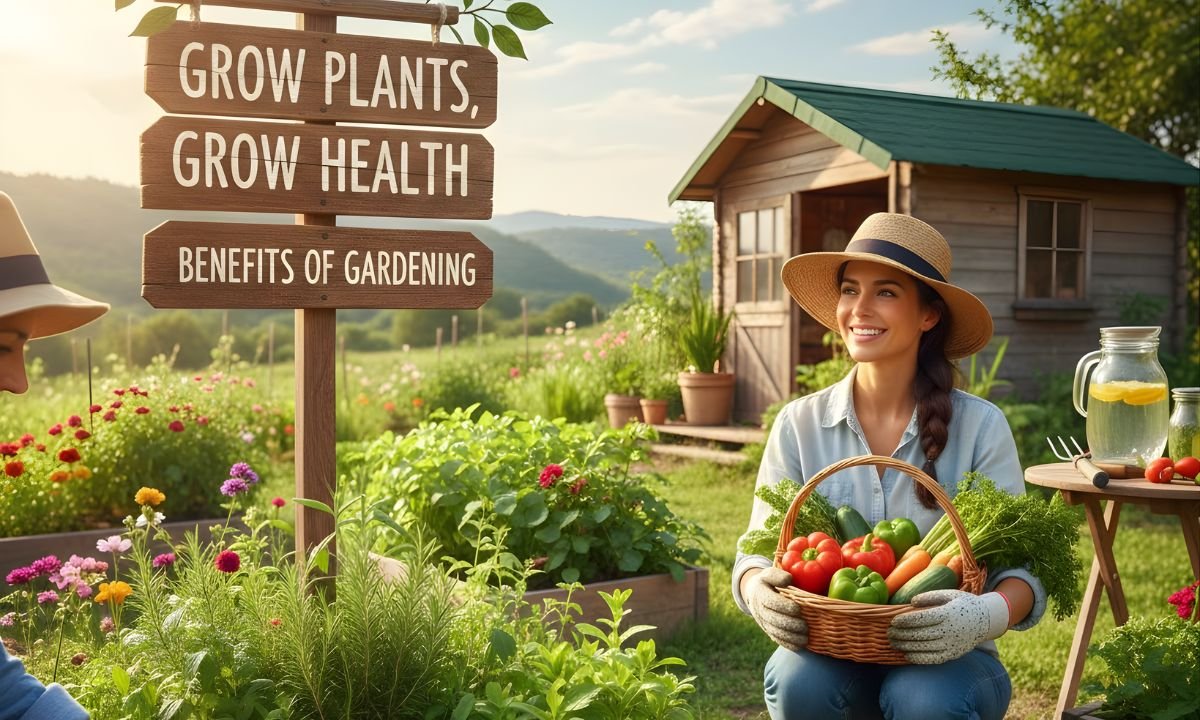

Gardening is one of the simplest ways to improve your physical and mental health while also putting fresh, safe food on your table. Gardening connects you with nature, gently increases daily activity, and supports a more mindful, balanced lifestyle.
Natural workout for your body
When you dig, plant, weed, and water, you perform low-impact movements that work major muscle groups in the arms, legs, back, and core. These activities count as light to moderate physical exercise and can contribute to your weekly activity goals in a way that feels enjoyable rather than forced.
Regular gardening helps improve flexibility, balance, and joint mobility because you frequently bend, stretch, and reach in different directions. Over time, this can support healthier aging by maintaining muscle strength and coordination, which are important for reducing the risk of falls and stiffness.
Fresh food, better nutrition
Growing your own fruits and vegetables naturally nudges you toward a healthier, higher-fiber diet. A study on community produce gardens found that people who garden tend to eat more fiber-rich foods, which supports digestion and helps maintain healthy cholesterol and blood sugar levels.
High-fiber diets are linked to a lower risk of heart disease, certain cancers, and type 2 diabetes, making home-grown produce a powerful prevention tool. When you harvest from your own garden, you also control how your food is grown, often using fewer pesticides and additives than many processed options.
Sample weekly health impact from gardening
Stress relief and mental wellbeing
Spending time in green spaces is associated with lower perceived stress, better mood, and improved emotional regulation. Gardeners often report feeling calmer and more present because the activities encourage slow, focused attention on simple tasks like watering, pruning, or watching new leaves unfold.
Gardening can also support better mental health during challenging times by providing structure, purpose, and visible progress as plants grow. For many people, nurturing a garden—even a few pots on a balcony—creates a daily ritual that reduces anxiety and promotes relaxation after work or study.
Stronger immunity and safer food choices
Working in soil introduces your body to a variety of natural microorganisms that may help train and support the immune system. While you should still follow basic hygiene like washing hands after gardening and rinsing produce thoroughly, this gentle exposure can be a healthy part of building resilience.
Growing your own food also allows you to choose safer, more transparent methods—such as limiting chemical pesticides, avoiding unnecessary preservatives, and harvesting produce at peak ripeness. This level of control can be especially valuable for families, seniors, or people with specific health concerns who want to minimize possible risks from highly processed foods.
Community, connection, and local relevance
In many neighborhoods, community gardens have become hubs for connection, learning, and mutual support. People who participate in shared garden spaces often gain both health benefits and social benefits, including making new friends, exchanging seeds and tips, and feeling more connected to their area.
Local gardens can also improve food security by providing affordable, fresh produce close to where people live. This makes gardening especially meaningful in cities or regions where access to fresh fruits and vegetables is limited or expensive, and it aligns with a growing focus on locally relevant, trustworthy, and experience-based health advice.
Getting started safely and sustainably
If you are new to gardening, start with a small, manageable space such as a few containers, a balcony corner, or a raised bed. Choose easy, climate-appropriate plants like leafy greens, herbs, or seasonal vegetables, and pay attention to safe tool use, sun protection, and proper lifting to protect your back and joints.
For additional safety, wash all home-grown produce under clean running water, use gloves if you have sensitive skin, and consult a health professional before starting any new activity if you have chronic conditions or mobility limitations. With mindful planning, gardening becomes a sustainable habit that supports your long-term health, experience-based learning, and a more trusted relationship with the food you eat.
